Kitchen Technique and Cookware Care Guides

These technique and cookware care guides explain how heat, fat, and starch work in common weeknight cooking. They summarize standard cooking technique from OnMyKitchen.

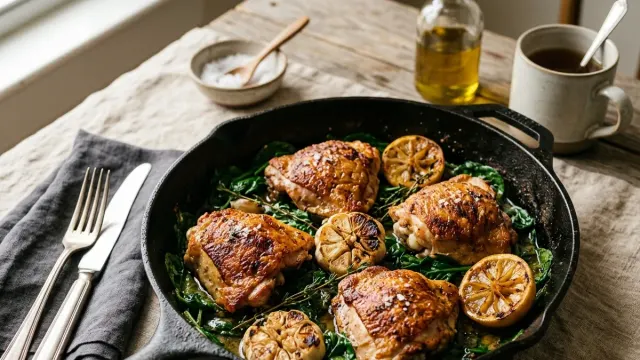
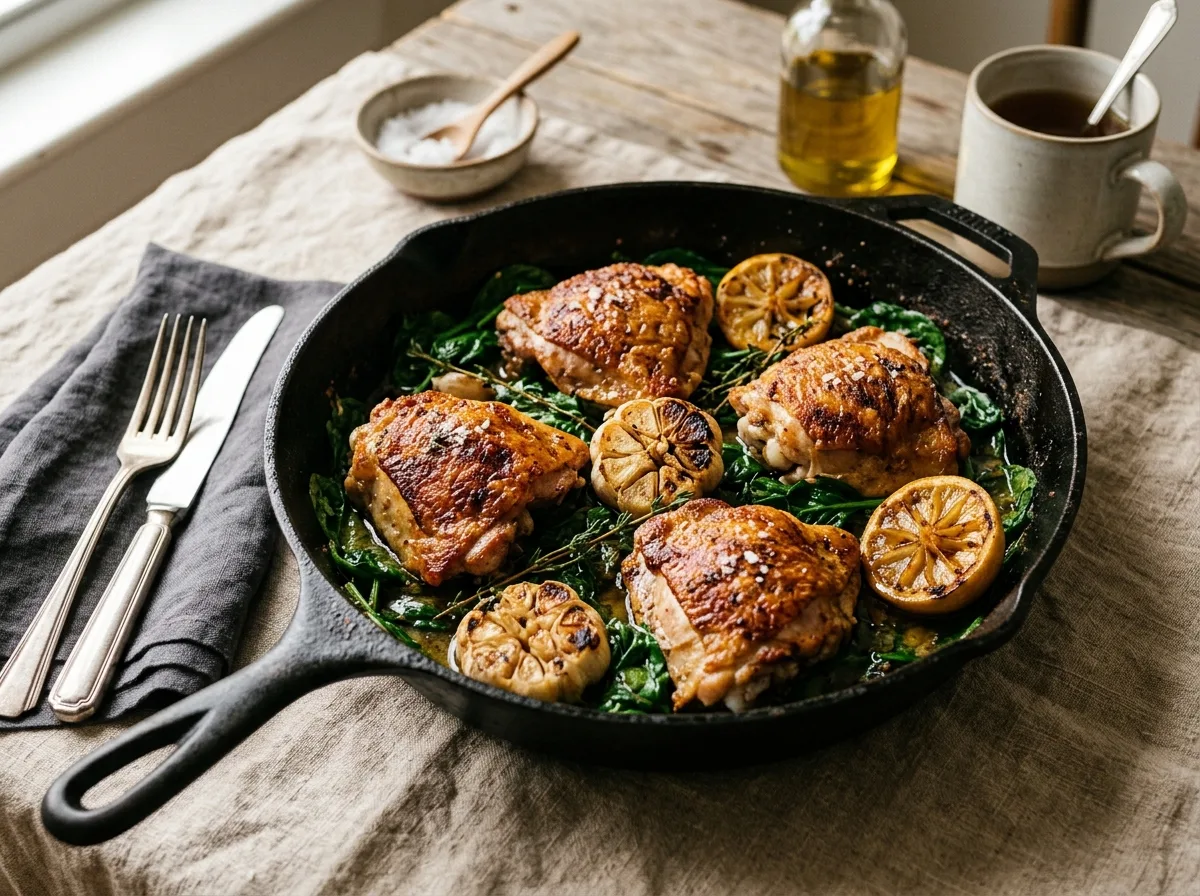
Chicken thighs and lemon halves in a cast-iron skillet on a linen-covered table
Illustrative image for the cold-pan searing guide.
Cold-Pan Cast-Iron Searing Guide: Why Starting Unheated Can Beat a Smoking-Hot Pan

Cold-Pan Cast-Iron Searing Guide: Why Starting Unheated Can Beat a Smoking-Hot Pan

By OnMyKitchen · 4 min read

For fatty, skin-on cuts like chicken thighs and duck breast, starting in an unheated skillet lets the fat render before the skin burns.

Key takeaway: For bone-in, skin-on chicken thighs or duck breast, place the meat skin-side down in an unheated cast-iron skillet, set the burner to medium, and leave it alone until the skin releases. The fat melts out gradually as the pan heats, so the skin fries in its own fat instead of burning.
Dutch Oven vs Cast-Iron Skillet: Which Pan Should You Reach For?

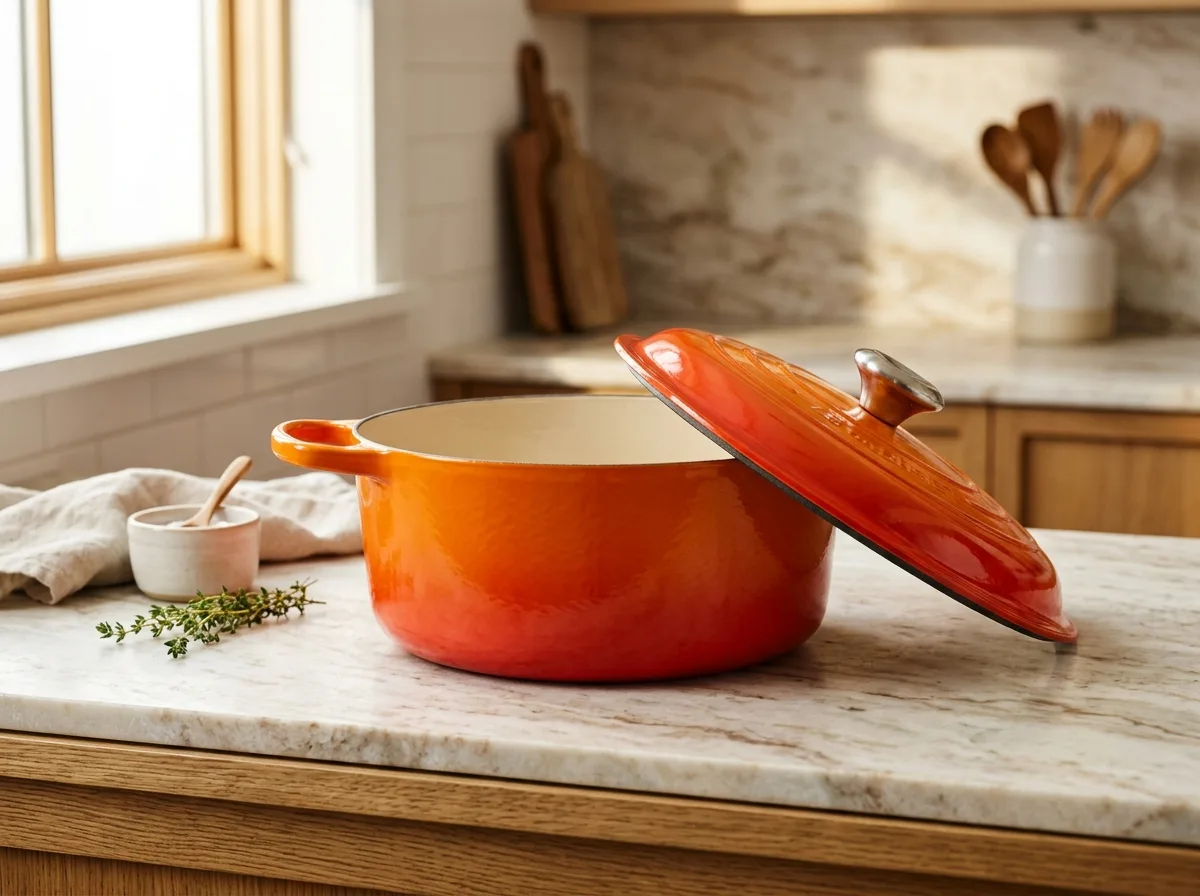
Dutch Oven vs Cast-Iron Skillet: Which Pan Should You Reach For?

By OnMyKitchen · 4 min read

Bare cast iron suits dry, high-heat cooking. An enameled Dutch oven suits acidic simmers, covered braises, and bread.

Key takeaway: Use a bare cast-iron skillet for dry, high-heat cooking and fast evaporation, such as chicken thighs, salmon, steaks, and fried eggs. Use an enameled Dutch oven for simmering acidic liquids such as tomatoes, wine, and lemon, for covered braising, and for baking crusty bread.

How to Clean and Season Cast Iron at the Sink

How to Clean and Season Cast Iron at the Sink

By OnMyKitchen · 3 min read

A short routine for everyday cast-iron care: wash, dry completely, and wipe on a thin film of oil.

Key takeaway: Wash the skillet while it is still warm with warm water, a drop of mild dish soap, and a stiff brush or scraper. Dry it thoroughly, set it on a medium burner for about a minute until bone-dry, and wipe on a very thin film of neutral oil.

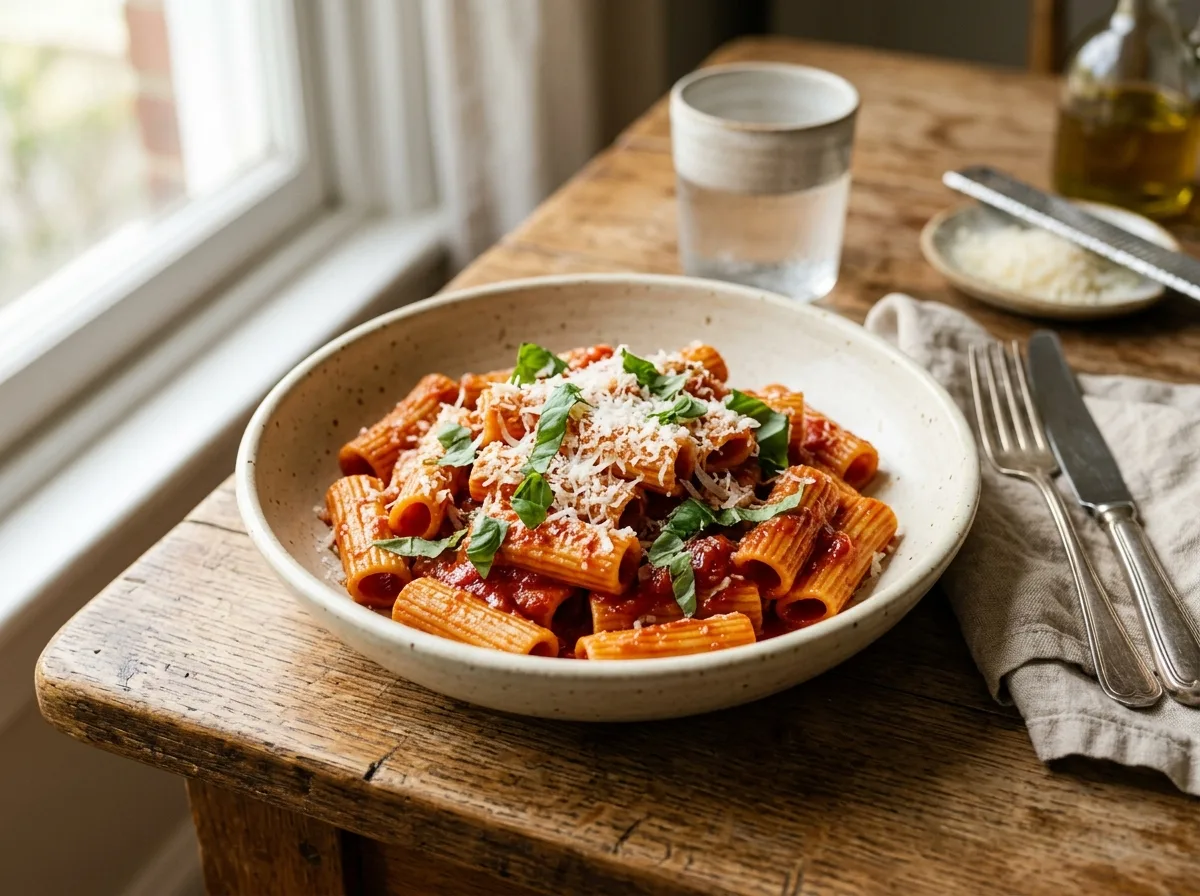
How to Emulsify Pasta and Pan Sauces: Take the Pan Off the Heat

How to Emulsify Pasta and Pan Sauces: Take the Pan Off the Heat

By OnMyKitchen · 4 min read

Starchy pasta water, cold butter, and finely grated cheese turn into a glossy sauce when the pan is taken off the burner first.

Key takeaway: Aged hard cheeses such as Parmigiano-Reggiano and Pecorino Romano tend to clump and turn stringy in a very hot sauce. Boil pasta in less water to make the cooking water starchier, take the pot off the burner, then toss in cold cubed butter and finely grated cheese.